
Cold Sores: Understanding, Treatment, and Prevention

Cold sore

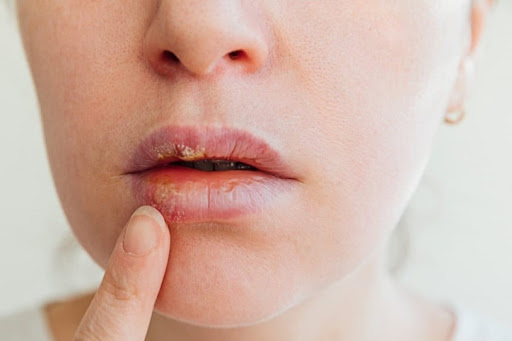
Cold sores, also known as fever blisters, are small, painful blisters that typically appear around the mouth. They are caused by the herpes simplex virus type 1 (HSV-1) and can be a recurring issue for many people. At Utah Valley Dermatology, we understand the discomfort and inconvenience cold sores can cause, and we’re here to guide you through understanding, treating, and preventing them.

What Are Cold Sores?

Cold sores are characterized by a tingling or burning sensation that precedes the appearance of blisters. These blisters can be painful and may take about 1 to 3 weeks to heal on their own. However, with proper treatment, you can reduce the duration and discomfort of an outbreak.

How Are Cold Sores Transmitted?

Cold sores are primarily caused by HSV-1, which is transmitted through direct contact with infected saliva or secretions. This can happen through kissing, sharing utensils, or other close contact. Once you have the virus, it remains dormant in your nerve cells until it is triggered to reactivate, often due to stress, sun exposure, or other factors.

What Are the Symptoms and Stages of Cold Sores?

The symptoms of cold sores include:

  • Tingling or Burning Sensation: Before the blister appears.
  • Blister Formation: Painful red blisters that can ooze and crust over.
  • Healing Stage: The crust falls off, revealing new skin underneath.

How Are Cold Sores Diagnosed in Dermatology?

While cold sores are often diagnosed by visual examination, a dermatologist may perform a viral culture or blood test if the diagnosis is unclear. At Utah Valley Dermatology, our experienced dermatologists can provide a thorough diagnosis and develop a personalized treatment plan for you.

What Treatment Options Are Available for Cold Sores?

Antiviral Medications

  • Topical Treatments: Acyclovir cream (Zovirax) and penciclovir (Denavir) are effective topical treatments. Apply these creams directly to the cold sore as soon as symptoms appear.
  • Oral Medications: Acyclovir (Zovirax), valacyclovir (Valtrex), and famciclovir (Famvir) are highly effective when taken orally at the first sign of symptoms. For example, valacyclovir can be taken as two 1-gram tablets at the onset, followed by another dose 12 hours later.

Additional Measures

  • Lip Balm with SPF: Protecting your lips from the sun with a lip balm that has SPF 30 or higher can help prevent sun-induced outbreaks.
  • Pain Management: Topical pain relievers like lidocaine can help manage discomfort.

How Can I Prevent Cold Sores?

Preventing cold sores involves identifying and avoiding triggers:

  • Sun Protection: Use lip balm with SPF to protect against UV rays.
  • Stress Management: Practice relaxation techniques like yoga or meditation to reduce stress.
  • Boost Your Immune System: Maintain a healthy diet, exercise regularly, and get enough rest.
  • Good Hygiene: Wash your hands frequently and avoid sharing personal items to prevent spreading the virus.

When Should I See a Dermatologist?

If you experience frequent or severe outbreaks or if cold sores spread to other areas like the eyes, it’s important to consult a dermatologist. At Utah Valley Dermatology, we offer personalized treatment plans and advanced therapies to help manage outbreaks effectively.

SCHEDULE A CONSULTATION

If you’re thinking about next steps, get in touch to schedule a consultation.